
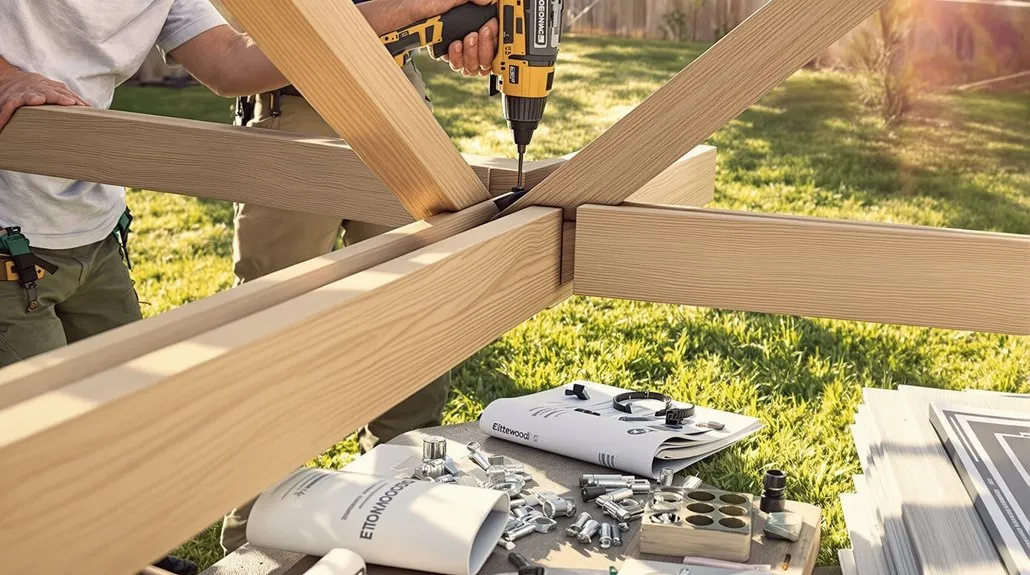
You don’t need a contractor to build an Elitewood pergola, but it’s a more demanding project than snapping together a standard kit. These systems use heavier aluminum components, require precise alignment, and involve structural load considerations that can trip up an inexperienced builder. You’ll need comfort with technical drawings, experience with concrete footings, and at least one capable helper. Everything you need to decide your best path forward is covered below.
Why Elitewood Pergolas Are Harder to Build Than Standard Kits
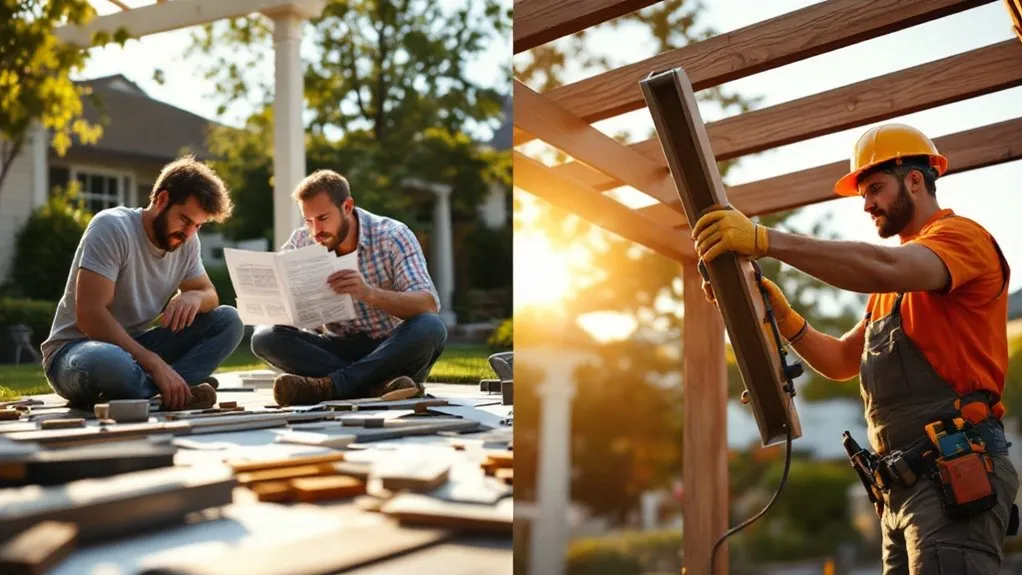
Elitewood pergolas look stunning in finished photos, but they’re considerably more complex to build than standard kit pergolas you’d find at a big-box store.
Elitewood pergolas are undeniably beautiful in photos, but building one is far more involved than assembling a store-bought kit.
Standard kits use pre-cut lumber with numbered pieces and basic hardware. Elitewood structures involve heavier aluminum components, precision alignment requirements, and proprietary connection systems that demand exact execution.
You’re also dealing with larger spans, structural load considerations, and anchoring systems that must meet local building codes. One misaligned post throws off the entire structure.
Without experience handling these components and reading technical installation documents, you’ll likely run into costly, frustrating mistakes mid-build.
Can Homeowners Actually Build an Elitewood Pergola Themselves?
Given all those complexities, you might be wondering whether tackling an Elitewood pergola yourself is even realistic.
The honest answer is yes, but only if you meet certain conditions:
You’re comfortable reading detailed technical drawings
You have experience with concrete footings and post installation
You own or can rent the necessary tools
You have at least one capable helper
Without these prerequisites, you’ll likely struggle.
Elitewood does provide installation guides, but they assume a baseline skill level.
If you’re missing even one condition above, hiring a contractor becomes the smarter, safer choice.
Do You Need a Permit to Build an Elitewood Pergola?
Whether you need a permit depends on your local jurisdiction, not on the pergola brand itself. Most municipalities require permits for permanent outdoor structures, especially if they exceed a certain size or attach to your home.
Before you build, check with your local building department to confirm the requirements. Some areas exempt freestanding pergolas under a specific square footage, while others don’t.
If you’re installing an Elitewood pergola yourself, you’re responsible for pulling the necessary permits. Skipping this step can result in fines or forced removal, so don’t assume you’re in the clear without checking first.
When It Makes Sense to Hire a Contractor for Elitewood
While Elitewood pergolas are designed for DIY installation, some situations make hiring a contractor a better option.
Consider professional help when:
Your project requires complex grading or ground preparation
Local permits demand licensed contractor signatures
You’re integrating electrical components like lighting or fans
Your installation involves attaching to an existing structure
These scenarios introduce technical challenges that go beyond standard assembly.
A contractor brings expertise, the right tools, and liability coverage to protect your investment.
If you’re unsure whether your project qualifies, consult a local professional before purchasing your Elitewood kit.
What the Elitewood DIY Installation Process Actually Involves
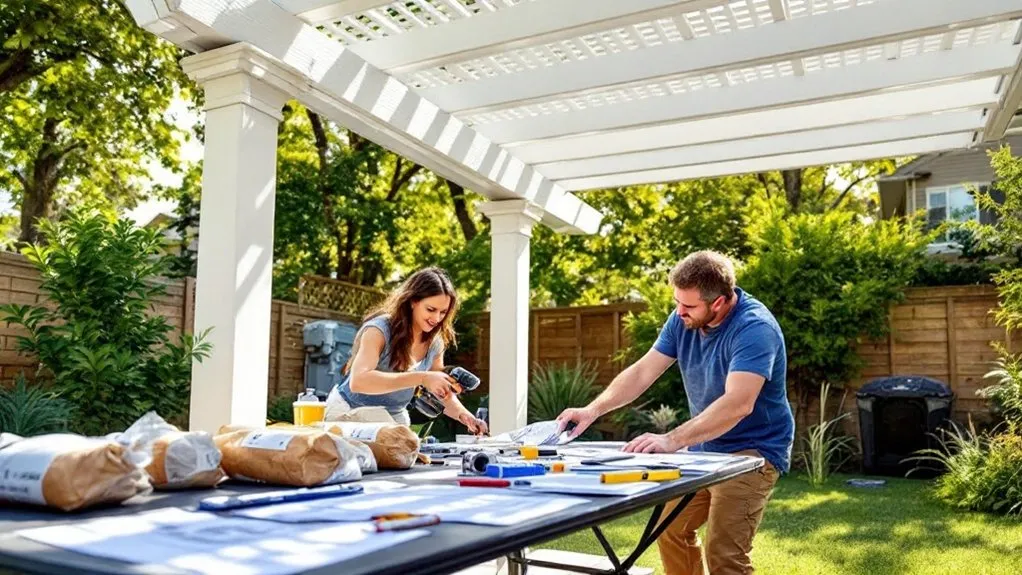
Understanding what’s actually involved in an Elitewood DIY installation helps you plan your time, tools, and help accordingly.
You’ll start by preparing your foundation, whether that’s concrete footings or an existing patio surface. From there, you’ll anchor the posts, assemble the beam structure, and install the roof system.
Elitewood provides detailed instructions, but you’ll need basic carpentry skills, a level, a drill, and ideally a second person helping throughout. Most homeowners complete the project over a weekend.
Elitewood includes detailed instructions, but basic carpentry skills and a second set of hands make the process far smoother.
The process isn’t overly technical, but precision matters—improper post placement or beam alignment early on creates compounding problems you’ll struggle to correct later.
How to Find a Contractor Who Works With Elitewood Systems
Not every contractor is familiar with aluminum pergola systems like Elitewood, so ask directly whether they’ve installed one before.
Use these steps to find the right fit:
Search Elitewood’s dealer or installer network on their official website.
Ask local outdoor living contractors for Elitewood-specific experience.
Request photos of previous aluminum pergola installations.
Read reviews mentioning pergola assembly or structural work.
Vetting contractors upfront saves you time and protects your investment.
Someone experienced with Elitewood’s interlocking system will work faster and avoid costly installation mistakes.
DIY vs. Professional Elitewood Installation: What It Actually Costs
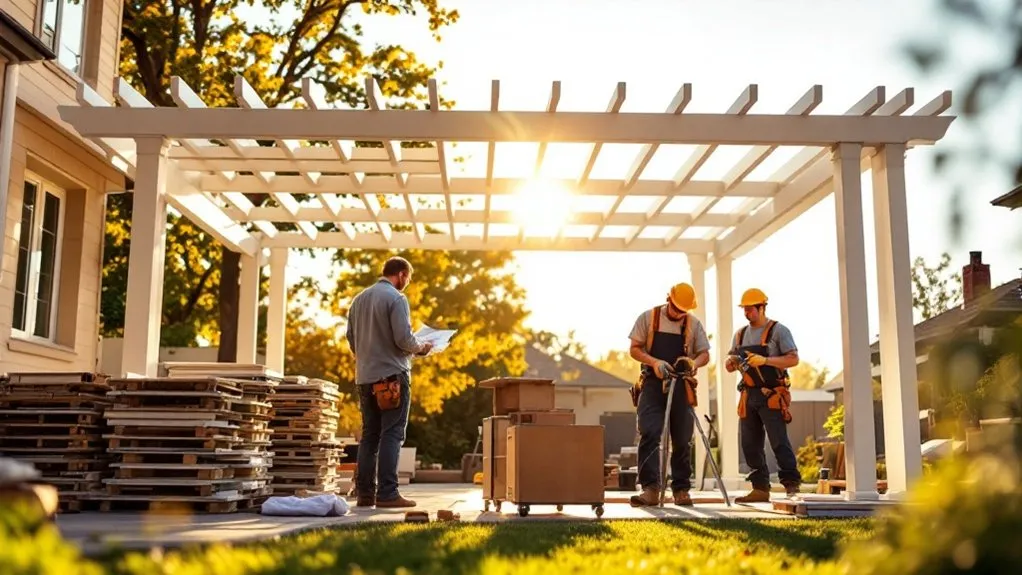
Choosing between DIY and professional installation comes down to 3 factors: your skill level, your available time, and your total budget.
DIY kits typically cost $3,000–$8,000, saving you $1,500–$4,000 in labor. However, assembly mistakes can void your warranty and cost more to fix than you saved.
Professional installation adds 20–40% to your total project cost but includes permits, precise leveling, and a workmanship guarantee.
If you’re comfortable reading technical blueprints and handling post-setting concrete work, DIY is viable. If not, hiring a certified installer protects your investment and guarantees Elitewood’s warranty remains fully intact.
Frequently Asked Questions
Does Elitewood Offer Any Warranty Protection for Self-Installed Pergola Structures?
Elitewood does offer warranty protection even if you choose to self-install your pergola structure.
However, you’ll need to follow their installation guidelines carefully to keep your warranty valid. If you don’t install it according to their specifications, you could void your coverage.
It’s always smart to review Elitewood’s warranty terms before starting your project, so you fully understand what’s protected and what responsibilities you’re taking on as a self-installer.
Can Elitewood Pergolas Be Customized After Installation Is Already Complete?
Yes, you can customize your Elitewood pergola even after installation is complete.
You can add accessories like louvered roof systems, lighting, fans, and privacy screens to enhance your existing structure.
Contact an Elitewood dealer or contractor to discuss your options, as they can help you choose compatible upgrades.
Make sure any additions you choose are designed specifically for Elitewood systems to ensure a proper, secure fit.
Are Elitewood Pergolas Suitable for All Climate Types and Weather Conditions?
Elitewood pergolas are built to withstand a wide range of climate types and weather conditions, making them a versatile choice for your outdoor space.
They’re constructed from high-quality aluminum, which resists rust, rot, and warping, so you don’t have to worry about extreme heat, heavy rain, or cold temperatures damaging the structure.
However, always check with your dealer about specific regional requirements to ensure your pergola meets local weather demands.
How Long Does a Professionally Installed Elitewood Pergola Typically Last?
A professionally installed Elitewood pergola can last 30 to 50 years or more with minimal maintenance.
Since you’re investing in high-quality aluminum construction, you’ll benefit from its resistance to rot, warping, and insect damage.
Unlike wood pergolas, you won’t need to worry about frequent repainting or sealing.
With basic upkeep, like occasional cleaning, your Elitewood pergola will stay structurally sound and visually appealing for decades.
Does Elitewood Provide Customer Support Directly to Homeowners During Installation?
Yes, Elitewood does provide customer support directly to you as a homeowner during installation.
You can reach out to their team with any questions or challenges while assembling your pergola. They’ve designed their products with DIY-friendly installation in mind, so they’re prepared to guide you through the process.
You’ll typically find support through their website, phone lines, or authorized dealers who can connect you with the right resources.
Conclusion
You don’t have to hire a contractor to build an Elitewood pergola, but you shouldn’t underestimate what’s involved. If you’re comfortable with detailed instructions, basic tools, and a helper, DIY is absolutely doable. But if the project feels overwhelming, a qualified contractor is worth every penny. Either way, you’re getting a premium structure that’ll transform your outdoor space—the key is choosing the path that works best for you.