
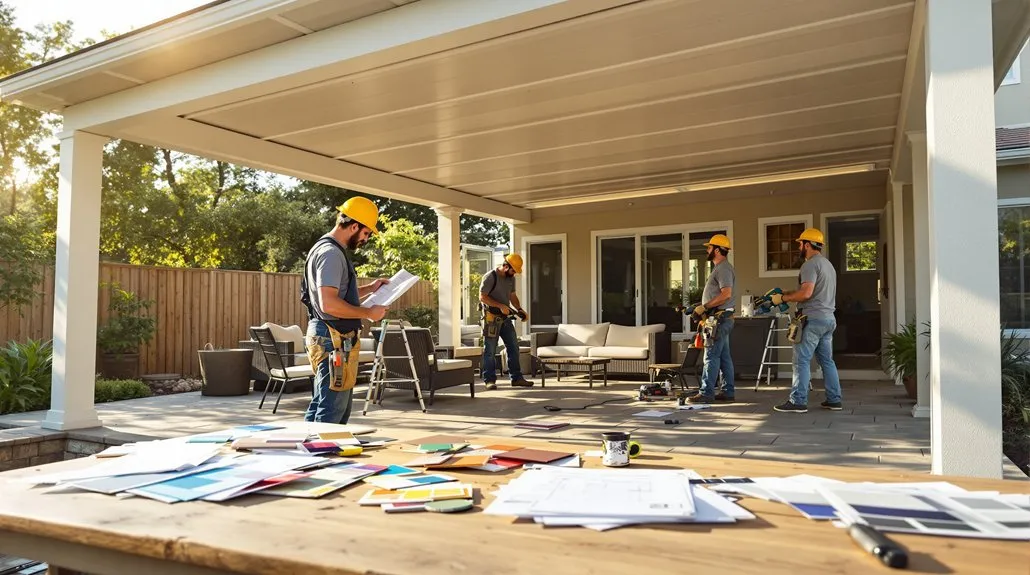
When hiring an affordable insulated patio cover builder, verify they’re licensed, insured, and experienced with similar projects. Always collect multiple detailed quotes that itemize materials, labor, and panel R-values so you can compare apples to apples. Before signing anything, review every contract line by line to catch hidden costs like permits, delivery, or disposal fees. Keep going to uncover exactly how to protect your budget from start to finish.
Know What Makes an Insulated Patio Cover Builder Worth Hiring
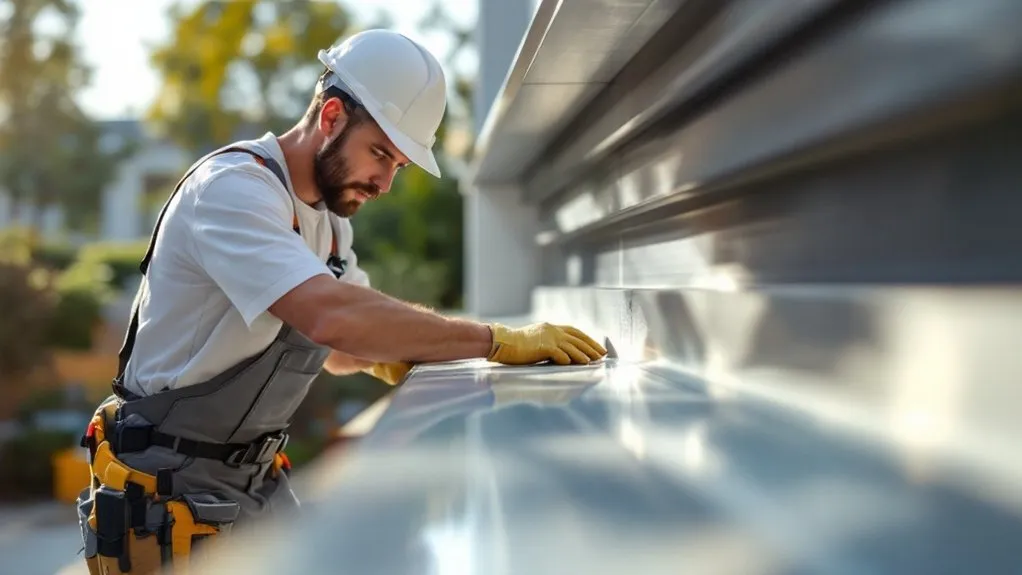
When hiring an insulated patio cover builder, look for someone who combines technical expertise with a proven track record.
Check that they’re licensed, insured, and experienced specifically with insulated patio covers, not just general construction. Review their portfolio for completed projects similar to yours.
Strong builders provide detailed written quotes, clear timelines, and transparent material specifications. Ask for references and actually call them.
A reliable contractor communicates consistently and doesn’t pressure you into quick decisions. They’ll also understand local building codes and handle permits properly.
These qualities separate a dependable professional from someone who’ll leave you with costly problems.
Compare Insulated Patio Cover Quotes Without Getting Burned
Once you’ve identified builders worth considering, getting multiple quotes is your next move—but comparing them fairly takes more than a quick glance at the bottom line.
Ask each builder to itemize materials, labor, and timeline separately. Insulated panels vary in R-value and thickness, so confirm you’re comparing equivalent specs.
Watch for vague line items like “miscellaneous fees”—they often balloon later. A suspiciously low quote usually signals cut-rate materials or hidden costs.
Vague line items and suspiciously low quotes are red flags—hidden costs have a way of surfacing later.
Check whether permits and cleanup are included. Once you’ve stripped away the variables, the true price differences become clear, and you can choose confidently without overpaying or getting blindsided.
Spot Hidden Costs Before You Sign a Patio Cover Contract

Before you sign anything, read the contract line by line—not just the total.
Watch for vague line items like “miscellaneous fees” or “site preparation”—these often balloon unexpectedly.
Confirm whether permits, disposal, and delivery are included or billed separately.
Ask if the quoted price covers all fasteners, trim pieces, and flashing. Some builders exclude gutters or electrical rough-ins, then charge premium rates mid-project.
Clarify payment schedules too—large upfront deposits can leave you vulnerable if work stalls.
Request a written change-order policy before work begins.
A clear contract protects you from surprise charges that can quietly double your original budget.
Frequently Asked Questions
How Long Does Insulated Patio Cover Installation Typically Take to Complete?
Insulated patio cover installation typically takes 1 to 3 days, depending on the size and complexity of your project.
If you’re covering a small patio, you’ll likely finish within a day. Larger or more intricate designs can stretch the timeline to three days.
Your contractor’s experience and crew size also affect the schedule, so it’s smart to confirm the expected timeline before hiring anyone.
What Permits Are Required Before Building an Insulated Patio Cover?
Before building an insulated patio cover, you’ll typically need a building permit from your local municipality.
You may also need a zoning permit to ensure your structure complies with setback and height regulations.
If your project involves electrical work, you’ll also need an electrical permit.
Check with your local building department early, as requirements vary by location.
Submit detailed plans, including dimensions and materials, to speed up approval.
Can Insulated Patio Covers Be Installed During Winter or Rainy Seasons?
Yes, you can install insulated patio covers during winter or rainy seasons, but you’ll need to plan carefully.
Schedule work during dry weather windows to ensure proper sealing and adhesion. Cold temperatures can affect certain materials, so confirm your builder uses weather-appropriate products.
Rain can delay structural work, so build buffer time into your timeline and discuss seasonal contingencies with your contractor beforehand.
What Insulation Ratings Should a Quality Patio Cover Have?
A quality patio cover should have an R-value between R-11 and R-38, depending on your climate.
You’ll want higher R-values if you live in extreme temperatures. Look for covers with foam core insulation panels, as they’re the most effective.
Also check the U-factor, keeping it below 0.30 for better thermal performance.
Don’t overlook the STC rating either, since it’ll help reduce noise from rain and outside environments.
How Do I Maintain My Insulated Patio Cover After Installation?
To maintain your insulated patio cover, inspect it twice a year for cracks, gaps, or damage.
Clean the surface regularly using mild soap and water to prevent dirt buildup.
Check your seals and fasteners, tightening any loose hardware you find.
Keep gutters and drainage channels clear to avoid water pooling.
If you notice any insulation damage, address it quickly to prevent energy loss and structural deterioration.
Conclusion
Finding an affordable insulated patio cover builder doesn’t have to feel like a gamble. You’ve now got the tools to identify qualified contractors, compare quotes like a pro, and catch hidden costs before they catch you. Use these three tips together, and you’ll protect both your budget and your investment. Don’t rush the process—the right builder at the right price is worth the time to find.