
Professional pergola contractors bring engineering expertise, premium material access, and specialized tools that most DIYers don’t possess. Their knowledge of local building codes, permit requirements, and structural calculations tailored to your climate will benefit you. They guarantee proper foundation work, weather-resistant construction, and code compliance—all while creating an aesthetically pleasing structure that increases property value. The difference is shown in appearance, durability, and safety, which will stand the test of time.
Key Takeaways
- Professional contractors possess specialized engineering knowledge, ensuring structures withstand environmental conditions and time.
- Contractors source premium-grade materials through established supplier relationships unavailable to typical consumers.
- Professionals use commercial-grade equipment like laser levels and pneumatic nailers that most homeowners don’t own.
- Contractors navigate complex building codes and permit requirements, preventing potential fines and forced removals.
- Professional pergolas typically include warranties on materials and workmanship, protecting your long-term investment.
Watch a Real San Diego Build
Watch how we engineer our Alumawood pergola systems for strength and long-term durability on this San Diego installation.
Engineering Expertise & Structural Integrity
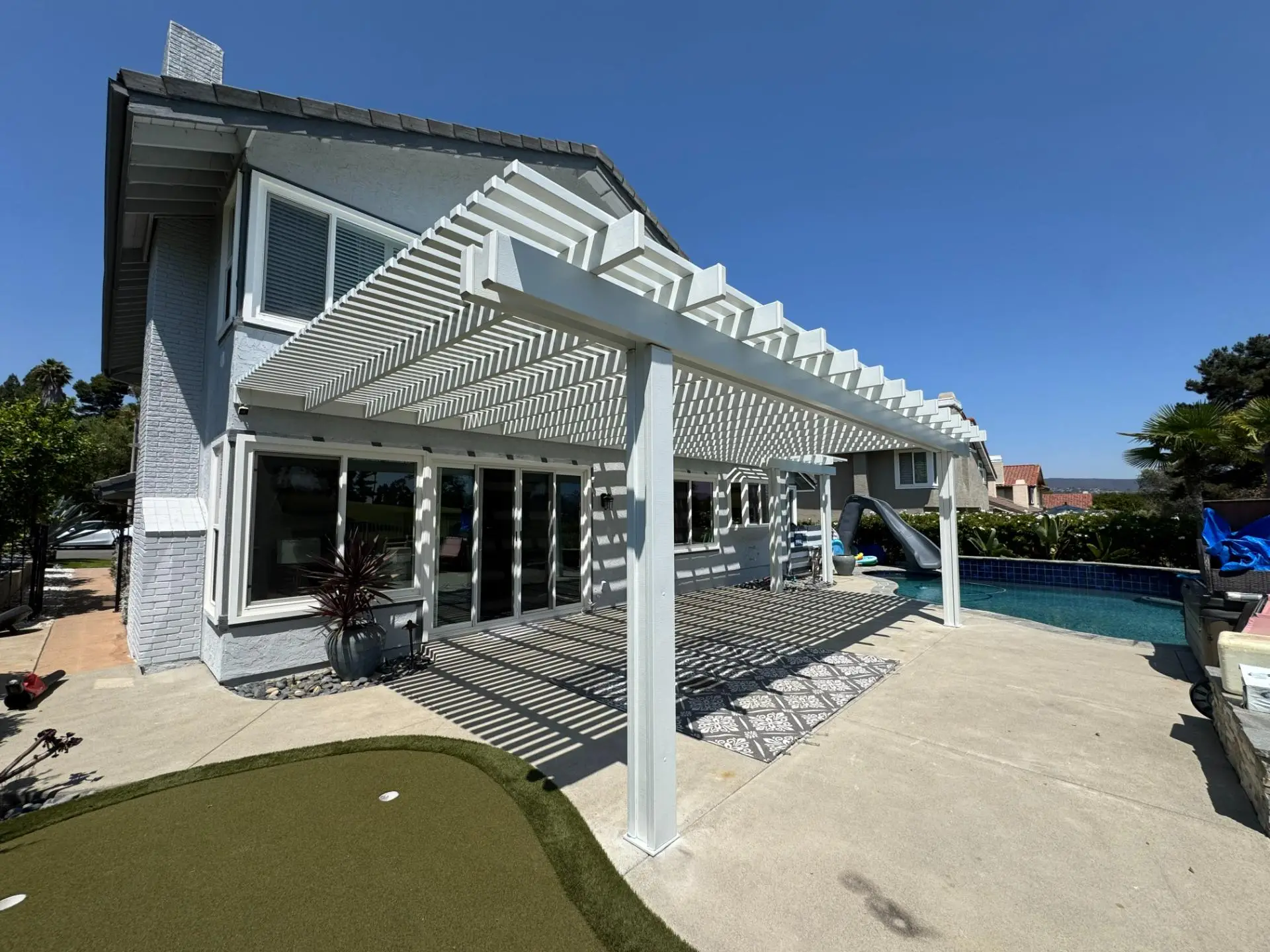
While DIY enthusiasts can successfully tackle many home projects, professional pergola contractors bring specialized engineering knowledge that guarantees your structure will withstand the test of time.
They understand load calculations, wind ratings, and foundation requirements specific to your location.
Professionals select appropriate materials based on climate conditions and confirm proper connections between components.
Before building begins, they’ll identify potential issues like soil instability or termite risks.
Your DIY pergola might look great initially, but professionals confirm it remains safe during storms and high winds.
They’ll also secure permits and confirm that your structure meets local building codes, preventing costly modifications later.
Material Selection & Quality Procurement
Expertise in material selection represents one of the most significant advantages professional contractors bring to pergola construction. They’ve established relationships with quality suppliers, accessing premium materials at better prices than retail.
| Material Type | Professional Advantage | DIY Challenge | Long-term Impact |
|---|---|---|---|
| Wood | Seasoned/treated properly | Limited selection | Durability/warping |
| Hardware | Commercial-grade fasteners | Consumer-grade only | Structural integrity |
| Concrete | Proper mix for footings | Pre-mixed bags | Foundation stability |
| Finishes | Professional-grade sealants | Limited knowledge | Weather resistance |
Professionals can identify which cedar, redwood, or composite materials will perform best in your climate, ensuring your investment lasts decades rather than years.
Precision Tools & Specialized Equipment
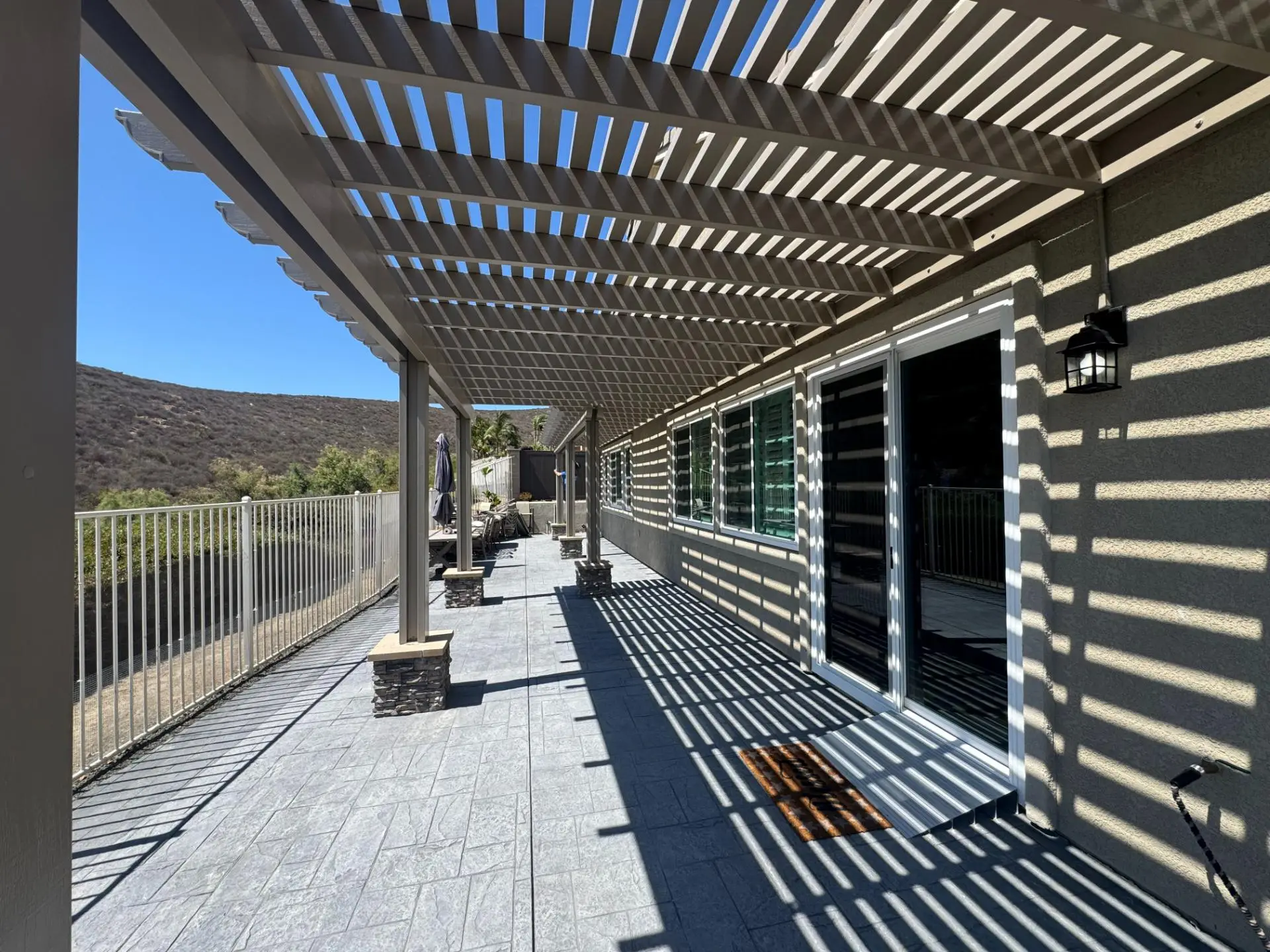
Professional contractors arrive at your property equipped with specialized tools that most homeowners don’t own.
You’ll notice laser levels for perfect alignment, commercial-grade augers for precise post holes, and pneumatic nailers that guarantee consistent fastening.
While you might rent basic equipment for a DIY build, you won’t have access to specialized jigs for complex joint cutting or industrial-grade concrete mixers that achieve peak foundation strength.
Professionals also utilize digital measuring tools that eliminate human error when calculating angles and dimensions.
These precision tools aren’t just conveniences—they’re essential for creating a structurally sound, perfectly aligned pergola that will stand the test of time.
Building Code Compliance & Permit Navigation
Maneuvering through the complex maze of local building codes is one of the most challenging aspects of pergola construction, and DIYers often underestimate it.
You’ll need permits for structures exceeding specific dimensions, and requirements vary dramatically between jurisdictions.
Professional contractors navigate these bureaucratic waters daily. They’ve established relationships with local officials and understand precisely what documentation you need.
They’re familiar with setback requirements, height restrictions, and foundation specifications that mightn’t be obvious to you.
When you hire a professional, you’re also buying peace of mind that your structure meets all legal requirements, protecting you from potential fines or forced removal down the road.
Design Sophistication & Aesthetic Integration
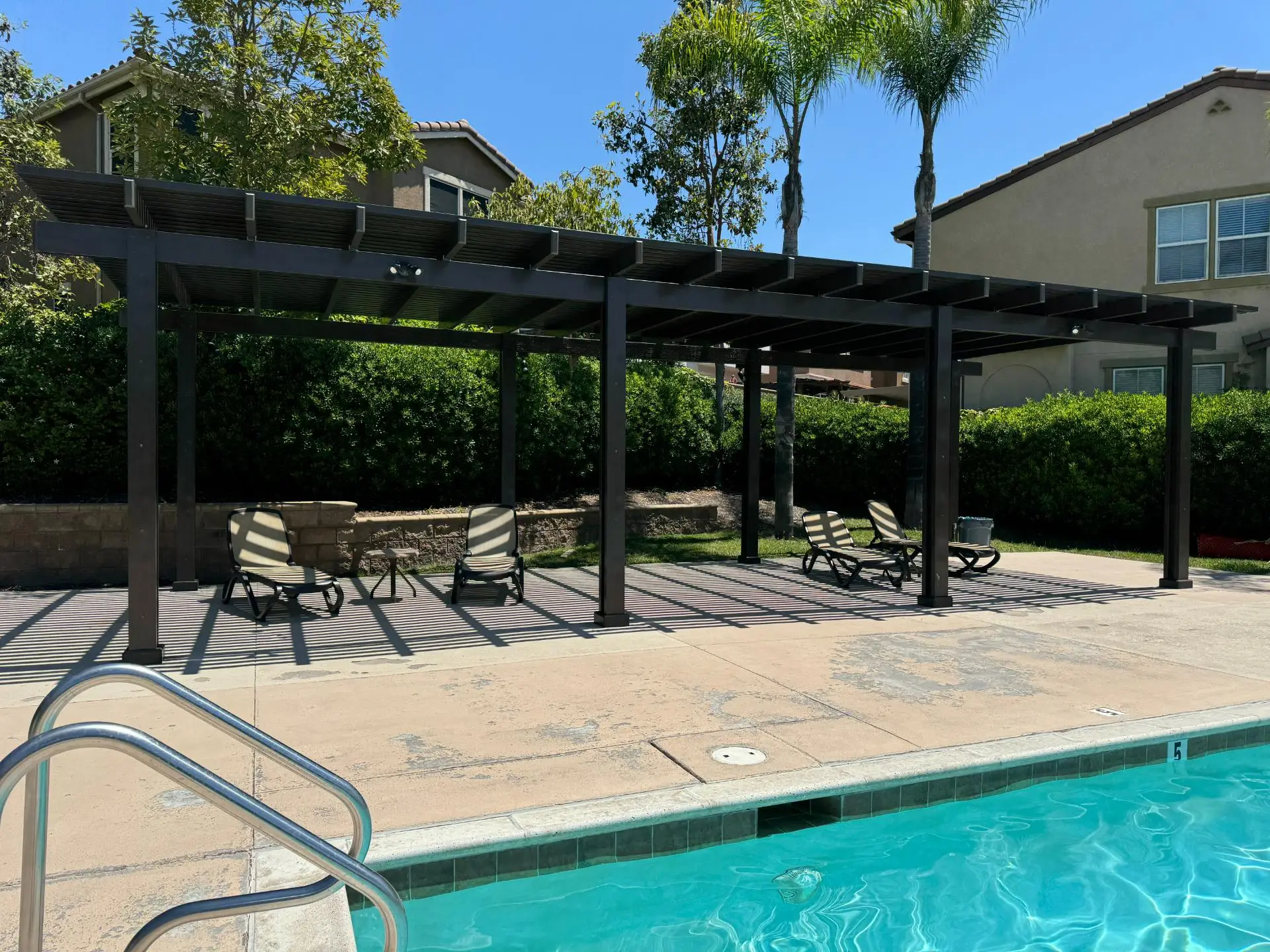
While building code compliance guarantees a structurally sound pergola, the aesthetic dimension requires an entirely different skill set.
Professional contractors bring design sophistication that elevates your outdoor space beyond basic functionality.
- Material harmony – Professionals select woods, metals, and finishes that complement your home’s architecture rather than clash with it.
- Proportion mastery – They understand scale relationships between pergola dimensions and surrounding landscape elements.
- Integration expertise – Contractors seamlessly blend your pergola with existing hardscaping, lighting, and plantings.
You’ll notice the difference between a structure that merely exists in your yard versus one that appears purposefully designed for it.
Weather-Resistant Construction Techniques
Because the weather constantly challenges outdoor structures, professional contractors employ specialized techniques that extend your pergola’s lifespan. They select pressure-treated lumber or cedar, seal every joint correctly, and install galvanized or stainless steel hardware to prevent rust.
| Construction Element | Professional Approach | DIY Common Mistakes |
|---|---|---|
| Wood Treatment | Pre-sealed before assembly | Sealed only after completion |
| Joint Design | Notched connections with drainage | Simple butt joints |
| Hardware | Marine-grade stainless steel | Standard zinc-plated |
| Foundation | Concrete footings below the frost line | Surface-mounted posts |
You’ll notice professionals elevate posts off concrete with standoffs, create subtle drainage slopes, and use precise flashing where the pergola meets your home—details DIYers often overlook.
Efficient Timeline Management & Project Execution
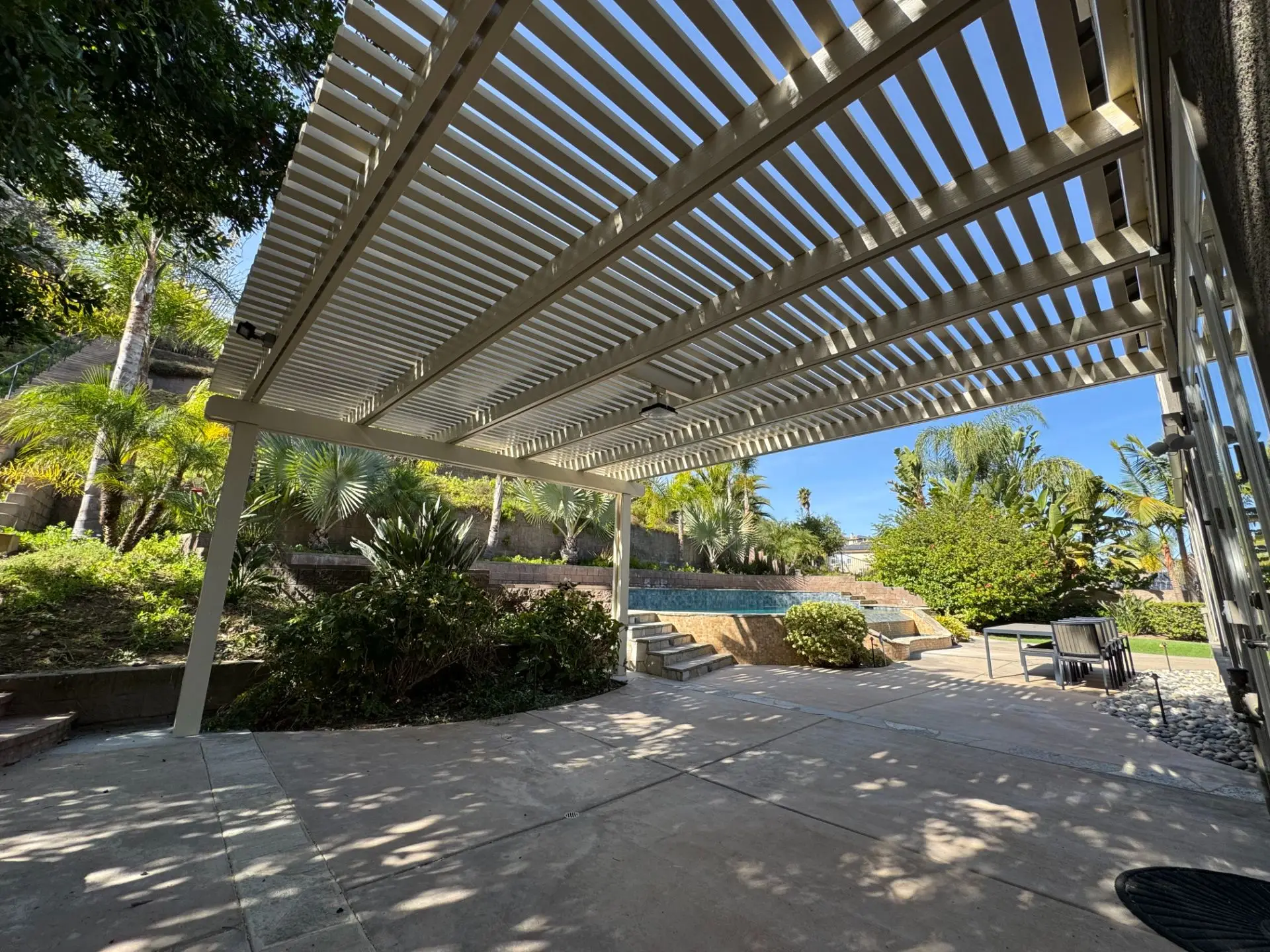
Professional contractors complete pergola projects in a fraction of the time it takes most homeowners, typically finishing in 2-3 days, which might consume several weekends for DIYers.
This efficiency stems from experience and streamlined processes you can’t replicate without specialized training.
Timeline advantages include:
- Precise scheduling – Professionals coordinate material deliveries, equipment, and labor to eliminate delays.
- Efficient workflow sequencing – Each step builds logically on previous work.
- Contingency planning – Experienced contractors anticipate potential issues before they derail your project.
You’ll enjoy your outdoor living space sooner while avoiding the stress of managing a complex construction timeline.
Long-Term Value & Investment Protection
Although initial costs may seem higher, professionally built pergolas consistently deliver superior long-term value compared to DIY alternatives.
Professional contractors use premium materials and proper installation techniques, greatly extending your pergola’s lifespan and reducing replacement and repair costs over time.
Your investment is protected through extensive warranties covering materials and workmanship—something unavailable with DIY projects.
Additionally, professionally constructed pergolas maintain higher property values and appeal to future buyers.
The proper permitting and code compliance professionals also prevent costly legal issues and forced modifications down the road.
This protection transforms your pergola from a simple addition into a lasting asset.
Frequently Asked Questions
How Much Maintenance Will My Pergola Require Annually?
Your pergola will need minimal annual maintenance.
You’ll need to clean each spring thoroughly, remove debris, and wash surfaces with mild soap.
Wooden pergolas require resealing or staining every 2-3 years, while vinyl or aluminum options need simple washing.
You should inspect for loose fasteners, wood rot, or pest damage annually.
Trimming nearby vegetation prevents moisture buildup.
Can Existing Patio Furniture Be Incorporated Into the Pergola Design?
Your existing patio furniture can be seamlessly incorporated into your pergola design.
You’ll want to measure your furniture pieces and share these dimensions during the planning phase. Professional contractors can customize your pergola’s size, post placement, and height to accommodate your furniture while ensuring proper clearance and flow.
They’ll also help position furniture to maximize shade protection and create functional zones for dining, lounging, or entertaining within your new outdoor space.
What Lighting Options Can Be Integrated Into My Pergola?
You can integrate several lighting options into your pergola for ambiance and functionality.
String lights create a magical atmosphere, while LED strips offer modern accents along beams.
Consider weatherproof recessed lights for focused illumination, solar-powered fixtures for sustainability, or pendant lights for style statements.
Don’t overlook landscape lighting around the pergola’s perimeter.
Professional contractors can seamlessly incorporate hidden wiring systems, ensuring lighting enhances outdoor space without visible cords.
How Do Pergolas Affect Home Insurance Premiums?
Pergolas can impact your home insurance premiums in several ways.
You’ll likely see a slight increase as they’re considered an additional structure on your property. Professional installation with proper permits might minimize this increase.
However, you’ll need to update your policy to guarantee coverage. Some insurers view pergolas as potential hazards, especially in storm-prone areas, while others consider them valuable home improvements that could positively affect your overall property value.
Can a Pergola Be Relocated if I Move Homes?
Yes, you can relocate your pergola if you move homes.
Freestanding pergolas are easier to dismantle and transport than attached ones. During disassembly, you’ll need to carefully label all parts and check for damaged components that need replacement.
Consider hiring professionals for the move, especially for larger structures.
Remember that foundation requirements may differ at your new location, and depending on local regulations, you might need new permits.
Current San Diego County Price Ranges (2026)
Real ranges from our published San Diego County pricing guide. Final cost depends on size, post configuration, finish, and site engineering.
See the full breakdown on our published pricing page, or get a free quote for your exact project.