
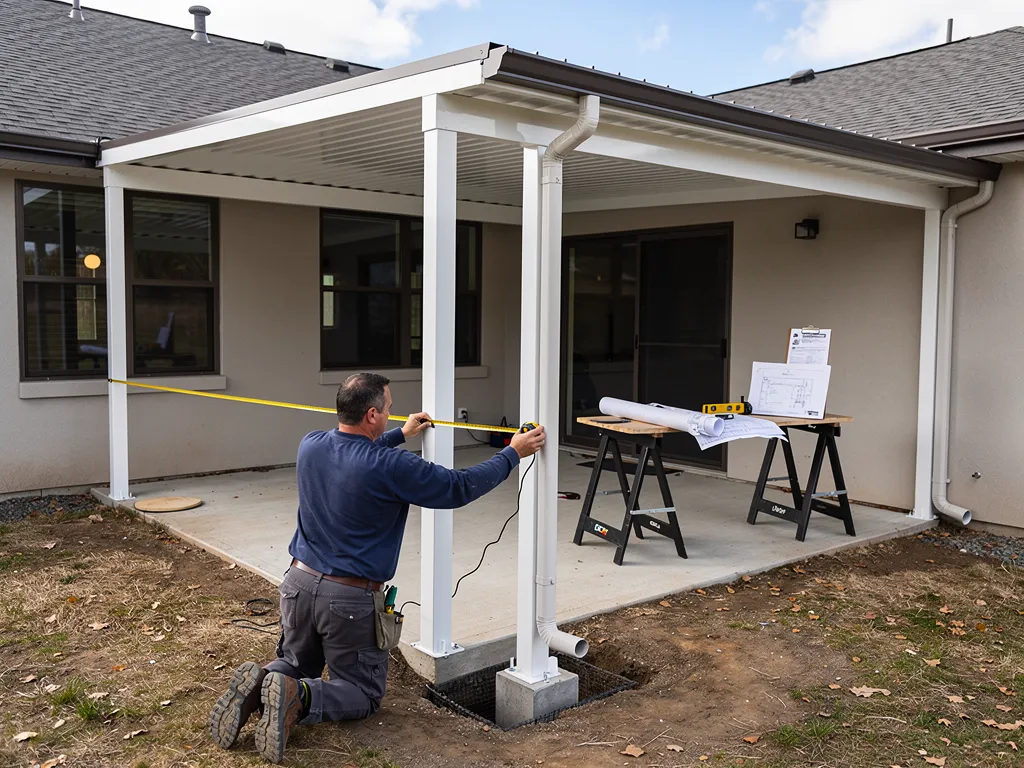
You’ll face costly setbacks if you choose the wrong aluminum gauge for your climate, skip obtaining proper permits, or miscalculate structural measurements for posts and footings. Don’t ignore drainage requirements—ensure proper slope and gutter sizing to prevent water damage. Overlooking local building codes and HOA restrictions can result in fines or forced removal. Additionally, neglecting regular maintenance like cleaning debris and inspecting fasteners will void warranties and lead to expensive repairs. These essential considerations will protect your investment.
Key Takeaways
Choose proper aluminum gauge thickness (.032″ or .040″) for your climate to prevent sagging, denting, and structural failure.
Obtain required building permits and review local codes plus HOA restrictions before starting installation to avoid fines.
Calculate accurate measurements for post spacing, beam sizing, and footing depth to ensure adequate structural support.
Design proper drainage with a minimum 1/4-inch slope per foot and appropriately sized gutters to prevent water damage.
Establish a regular maintenance schedule, including cleaning, fastener inspections, and gutter clearing, to maintain warranty and longevity.
Choosing the Wrong Aluminum Gauge for Your Climate
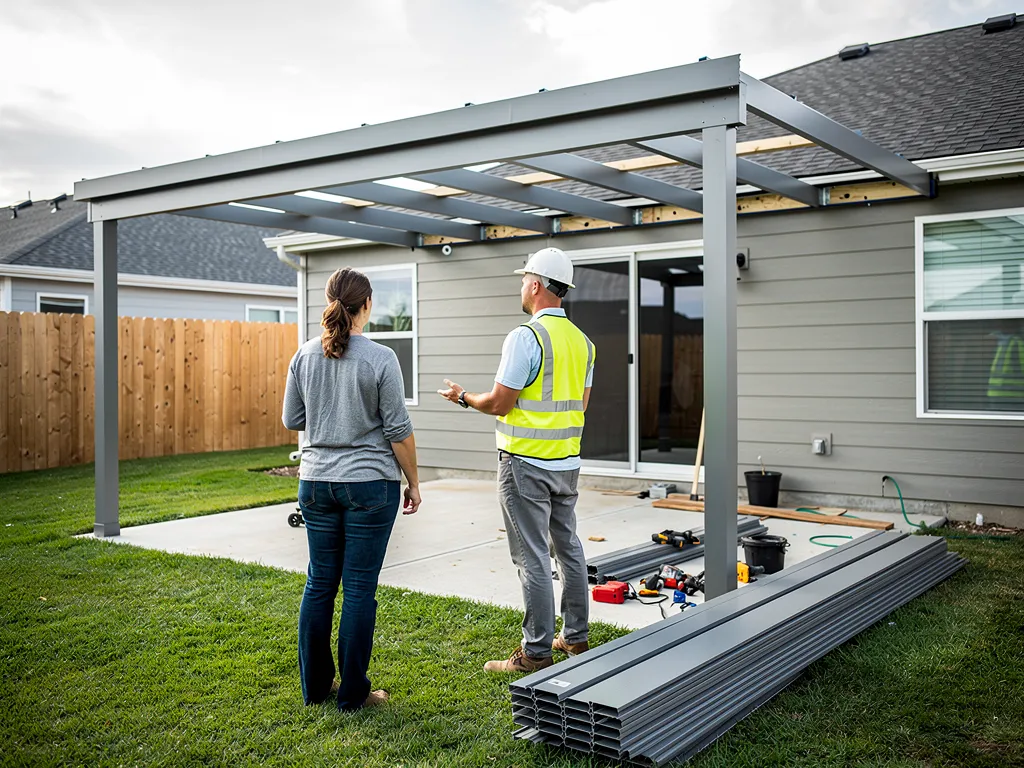
When selecting an aluminum patio cover, you’ll face a critical decision that many homeowners overlook: choosing the right aluminum gauge for your local weather conditions.
Thicker gauges like .032″ or .040″ withstand heavy snow loads, strong winds, and hail better than thinner options. If you live in areas with severe weather, don’t cut corners with lighter gauges that’ll buckle under pressure.
Conversely, milder climates can accommodate thinner, more budget-friendly options like .025″ gauge. Consider your region’s wind speeds, precipitation patterns, and temperature extremes.
Skimping on gauge thickness often leads to premature sagging, denting, or complete structural failure requiring costly replacements.
Failing to Obtain Proper Permits Before Installation
Beyond selecting the right materials, you’ll need to navigate the permitting process before breaking ground on your aluminum patio cover installation.
Skipping this vital step can result in costly fines, forced removal, or legal complications that’ll far exceed permit fees.
Most municipalities require permits for permanent structures, including patio covers.
Here’s what you need to know:
Contact your local building department early in the planning phase to understand specific requirements
Submit detailed plans showing dimensions, materials, and structural specifications
Schedule required inspections during construction to guarantee code compliance
Don’t risk your investment—get proper permits first.
Miscalculating Measurements and Structural Requirements
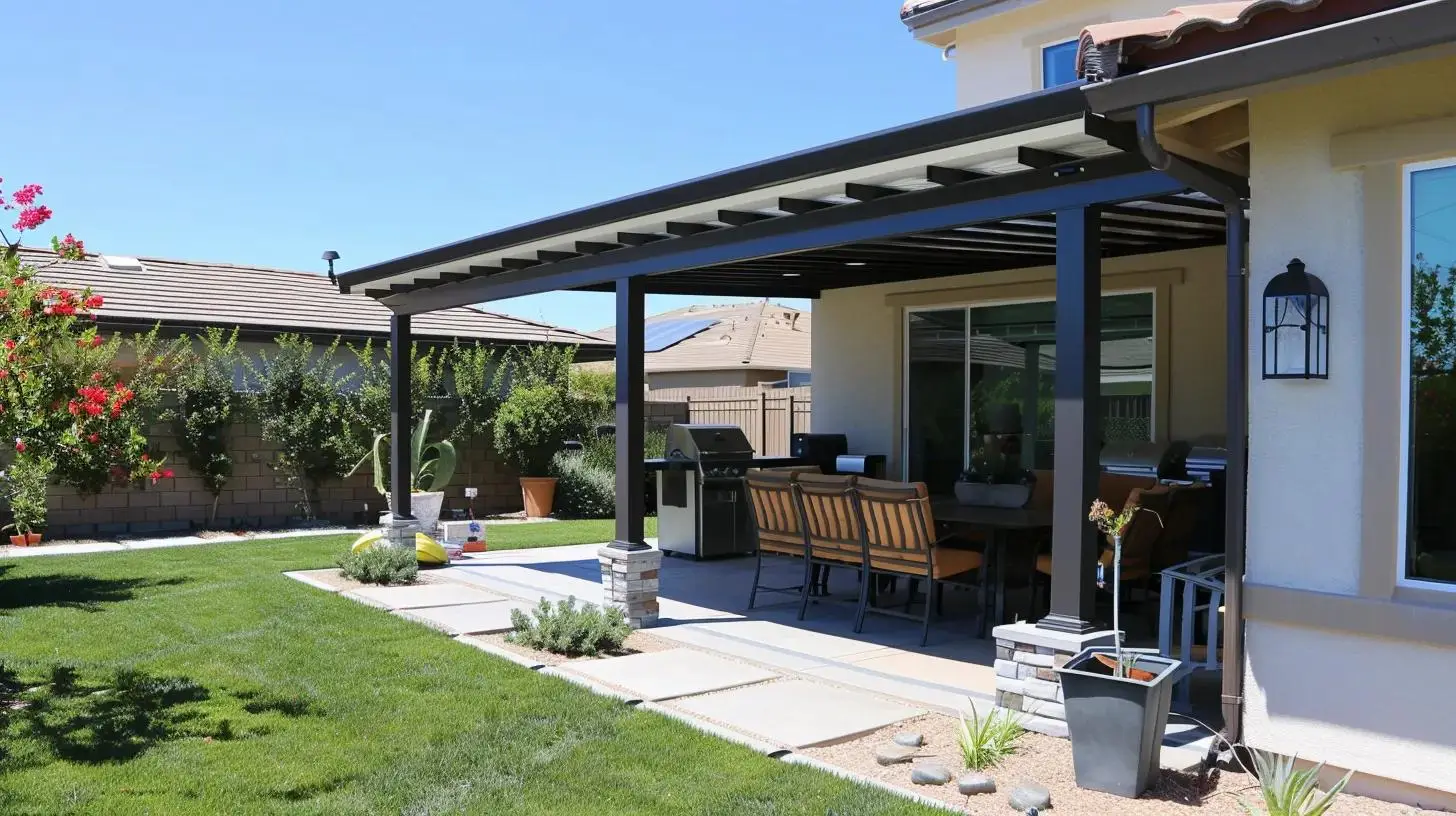
Although permits set the legal foundation for your project, accurate measurements and structural calculations determine whether your aluminum patio cover will stand the test of time. You’ll face costly repairs or complete reinstallation if you miscalculate load requirements or dimensions.
Don’t guess structural requirements based on visual estimates. You need precise measurements for post spacing, beam sizing, and footing depth. Professional structural analysis ensures your cover safely handles wind loads, snow accumulation, and attached equipment.
Ignoring Proper Drainage and Water Flow Design
Poor drainage design can cause water damage that destroys your aluminum patio cover investment faster than structural failures.
You’re risking costly repairs when rainwater pools on your cover or flows into unwanted areas.
Essential drainage considerations include:
Slope gradient – Guarantee a minimum 1/4-inch drop per foot toward gutters
Gutter capacity – Size gutters to handle your roof’s square footage and local rainfall
Downspout placement – Position outlets away from foundations and walkways
Don’t assume standard drainage works for every installation.
Your home’s unique layout, local climate, and surrounding landscape affect water flow patterns.
Plan drainage during the design phase, not after installation problems emerge.
Selecting Inadequate Support Posts and Foundations
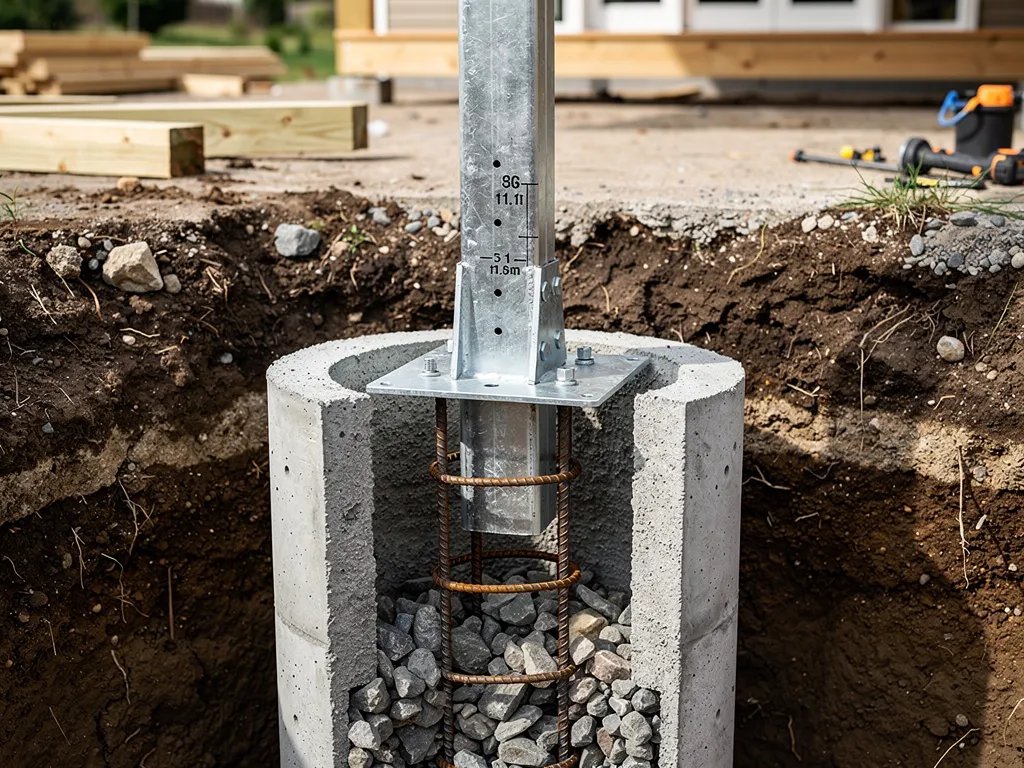
While your aluminum patio cover may seem lightweight, inadequate support posts and foundations create dangerous structural vulnerabilities that compromise safety and violate building codes.
You’ll face costly structural failures when posts can’t handle wind loads, snow loads, or the cover’s actual weight over time.
Don’t underestimate foundation requirements—shallow footings lead to settling and instability.
Calculate your specific load requirements based on your area’s wind speeds and snow loads.
Install properly sized steel posts with adequate concrete footings that extend below the frost line.
Skimping on structural support transforms your investment into a liability that threatens property and lives.
Overlooking Local Building Codes and HOA Restrictions
Before you purchase materials or break ground, you must navigate the complex web of local building codes and homeowners association restrictions that govern patio cover installations.
These regulations aren’t suggestions—they’re mandatory requirements that can result in costly fines or forced removal if ignored.
Essential steps you shouldn’t skip:
Contact your local building department to understand setback requirements, height restrictions, and permit needs.
Review your HOA’s architectural guidelines for approved materials, colors, and design specifications.
Submit detailed plans for approval before ordering materials or scheduling installation.
Skipping this research phase can turn your dream patio into an expensive nightmare that requires complete reconstruction.
Skipping Professional Structural Engineering Assessment
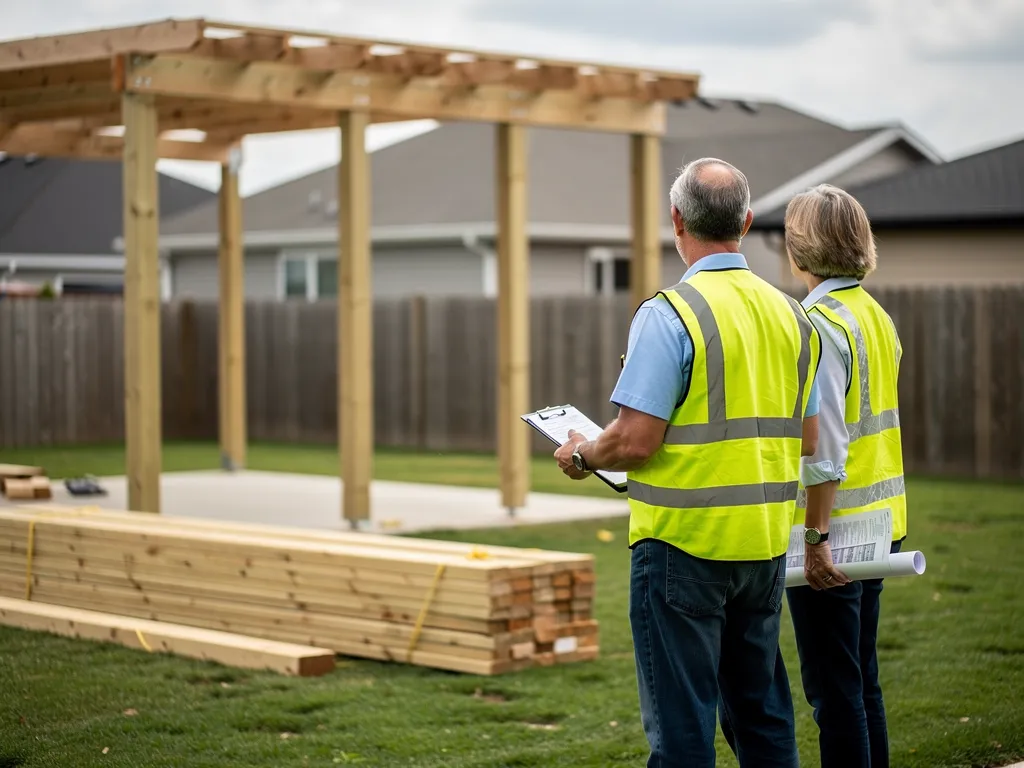
Beyond regulatory compliance, many homeowners make the costly mistake of bypassing professional structural analysis when installing aluminum patio covers.
Without a proper engineering assessment, you risk serious safety hazards and expensive repairs. A structural engineer evaluates your home’s load-bearing capacity, existing foundation strength, and attachment points.
They’ll determine if your structure can support the patio cover’s weight plus additional loads like snow, wind, and debris. Don’t assume your home can handle the extra stress.
Professional analysis identifies potential weaknesses before installation, preventing catastrophic failures that could damage your property or injure family members.
It’s essential protection for your investment.
Using Incompatible Hardware and Fastening Systems
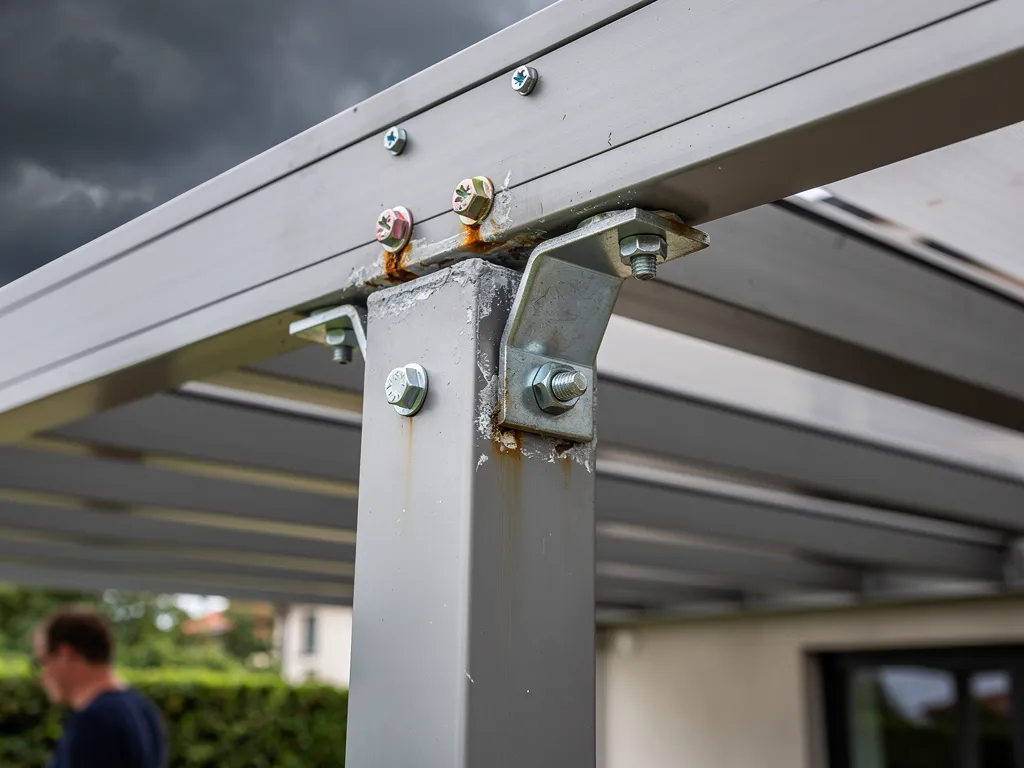
Using the wrong hardware and fastening systems creates a dangerous weak point that compromises your aluminum patio cover’s structural integrity.
You can’t mix and match components from different manufacturers without risking catastrophic failure during storms or heavy loads.
Critical compatibility issues include:
Galvanic corrosion – Steel fasteners contacting aluminum create electrochemical reactions that weaken connections over time.
Mismatched load ratings – Using undersized bolts or brackets that can’t handle your cover’s weight distribution.
Thermal expansion conflicts – Different materials expand at varying rates, loosening joints and creating gaps.
Always use manufacturer-specified hardware designed specifically for your aluminum patio cover system.
Poor Planning for Electrical and Lighting Integration
While aluminum patio covers offer excellent opportunities for integrated lighting and electrical features, inadequate planning during the design phase often leaves homeowners with limited options and costly retrofitting needs.
Plan electrical routes before installation begins. Consider where you’ll need outlets, switches, and lighting fixtures. Think about ceiling fans, outdoor speakers, or decorative string lights.
Install proper conduits and junction boxes during construction rather than drilling through finished materials later. Don’t forget GFCI protection for outdoor electrical components.
Planning ahead guarantees your patio cover accommodates all desired electrical features without compromising structural integrity or visual appeal.
Neglecting Proper Maintenance and Care Instructions
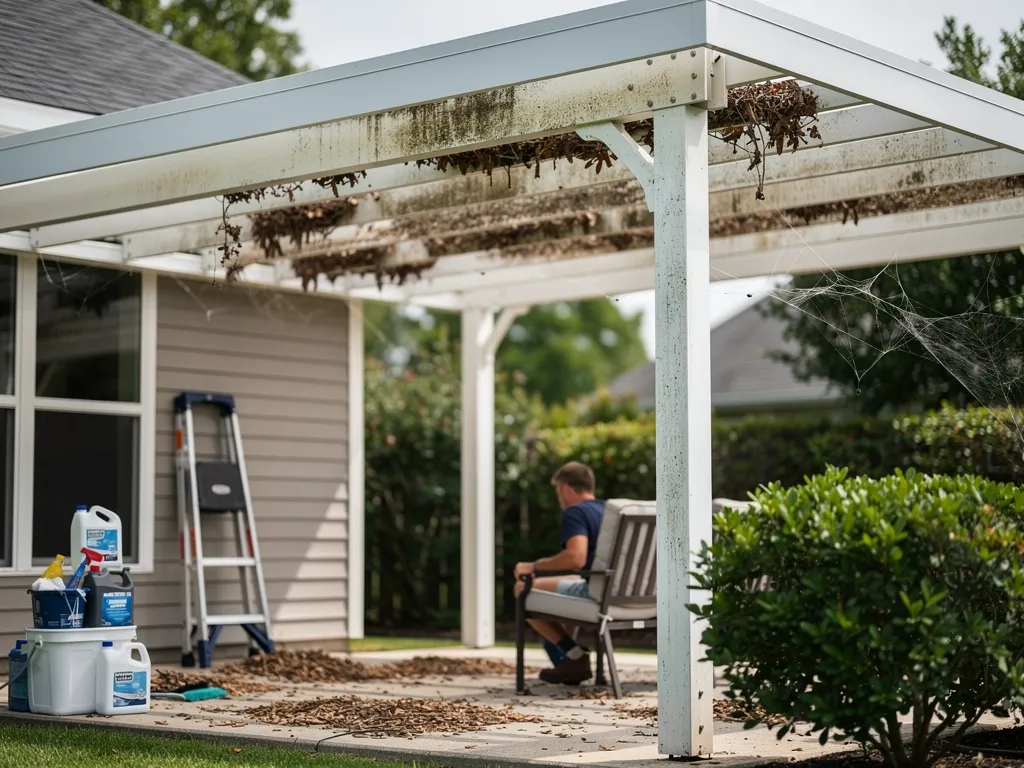
Although aluminum patio covers require minimal upkeep compared to other materials, many homeowners mistakenly believe they’re completely maintenance-free and can ignore basic care requirements.
Without proper maintenance knowledge, you’ll face premature deterioration, voided warranties, and costly repairs. Your installer should provide thorough care instructions covering cleaning schedules, inspection points, and warning signs.
Essential maintenance tasks include:
Regular cleaning – Remove debris, dirt, and oxidation buildup quarterly
Fastener inspection – Check screws, bolts, and connections for loosening or corrosion
Gutter maintenance – Clear drainage systems to prevent water damage and structural issues
Don’t assume maintenance-free means care-free.
Frequently Asked Questions
How Much Does a Typical Aluminum Patio Cover Installation Cost?
You’ll typically pay between $8 to $25 per square foot for aluminum patio cover installation, with most homeowners spending $2,000 to $6,000 total.
Your final cost depends on the cover’s size, style complexity, local labor rates, and any required electrical work.
Basic attached covers cost less than freestanding structures or elaborate designs with integrated lighting.
You can save money by choosing standard sizes and simpler styles over custom configurations.
What Is the Expected Lifespan of an Aluminum Patio Cover?
With proper maintenance, you can expect your aluminum patio cover to last 20-30 years.
High-quality aluminum won’t rust, warp, or rot like other materials, making it exceptionally durable. However, you’ll need to clean it regularly and inspect for loose fasteners or minor damage.
If you choose powder-coated aluminum, the finish typically lasts 15-20 years before needing touch-ups.
Coastal areas may see slightly shorter lifespans because of salt-air exposure.
Can I Install an Aluminum Patio Cover Myself or Need Professionals?
You can install an aluminum patio cover yourself if you’re experienced with construction and have the right tools, but it’s challenging work that requires precise measurements, structural knowledge, and attention to permits.
Most homeowners benefit from hiring professionals who can ensure proper installation, handle permits, and provide warranties.
DIY installation risks include structural issues, water damage from improper sealing, and code violations.
Consider your skill level, available time, and local building requirements before deciding.
What Colors and Styles Are Available for Aluminum Patio Covers?
You’ll find aluminum patio covers in various colors, including white, bronze, beige, and custom powder-coated finishes to match your home’s exterior.
Style options range from traditional flat-pan designs to modern lattice patterns, solid covers for maximum shade, or louvered systems for adjustable light control.
You can choose from different beam configurations, decorative end cuts, and integrated features like ceiling fans or lighting.
Many manufacturers offer customizable combinations to suit your specific aesthetic preferences.
How Long Does Aluminum Patio Cover Installation Typically Take?
Installation typically takes 1-3 days depending on your patio’s size and complexity.
Straightforward rectangular covers finish faster, while custom designs or complex layouts take longer.
Weather conditions can extend the timeline, so you should plan accordingly.
Professional installers usually complete most standard residential projects within two days, including permits and final inspections.
Don’t rush the process—proper installation guarantees your cover’s longevity and performance.