
How Louvered Pergolas Improve Indoor Comfort and Reduce Energy Bills
Louvered pergolas dramatically improve indoor comfort by acting as dynamic solar filters, reducing heat gain by up to 40%. You’ll slash cooling costs when adjustable slats block intense midday sun while allowing gentle morning and evening light. During winter, you can open the louvers to capture natural solar heating, reducing your furnace workload. Smart sensors automatically adjust based on temperature and humidity, coordinating with your HVAC system. Discover how strategic placement maximizes these energy-saving benefits.
Key Takeaways
- Adjustable slats block intense midday sun while allowing morning and evening light, reducing heat gain by up to 40%.
- Strategic south-facing placement maximizes interception of sunlight, delivering a 25-30% cooling reduction in adjacent indoor spaces.
- Controlled shade reduces HVAC workload during summer, lowering electricity bills and extending the lifespan of the air conditioning system.
- Winter louver adjustments maximize solar heat gain and natural light, reducing furnace usage and artificial lighting needs.
- Smart integration with home climate systems and automated sensors optimizes comfort while recouping investment within 5-8 years.
The Science Behind Adjustable Solar Control

When sunlight hits your outdoor living space, louvered pergolas act as dynamic filters that respond to changing solar conditions throughout the day.
You can adjust the angled slats to block intense midday sun while allowing gentle morning or evening light through. This selective filtering reduces heat gain on adjacent indoor spaces by up to 40%, preventing your air conditioning from working overtime.
The adjustable louvers create controlled shadows that shift with the sun’s path, maintaining comfortable temperatures beneath.
You’re fundamentally creating an automatic variable solar barrier that adapts to seasonal changes and daily weather patterns.
Strategic Placement for Maximum Energy Efficiency
Understanding how louvered pergolas control solar heat gain means nothing without proper placement on your property. You’ll maximize energy savings by positioning your pergola on the south-facing side of your home, where it intercepts the most intense sunlight during peak hours.
| Pergola Placement | Energy Impact |
|---|---|
| South-facing windows | 25-30% cooling reduction |
| West-facing patios | 20-25% afternoon heat block |
| East-facing areas | 15-20% morning sun control |
| North-facing spaces | Minimal energy benefit |
Consider your home’s orientation, prevailing winds, and existing shade structures. You’ll achieve ideal results when your pergola blocks summer sun while allowing winter warmth through strategic louver positioning.
Summer Cooling Benefits and HVAC Load Reduction
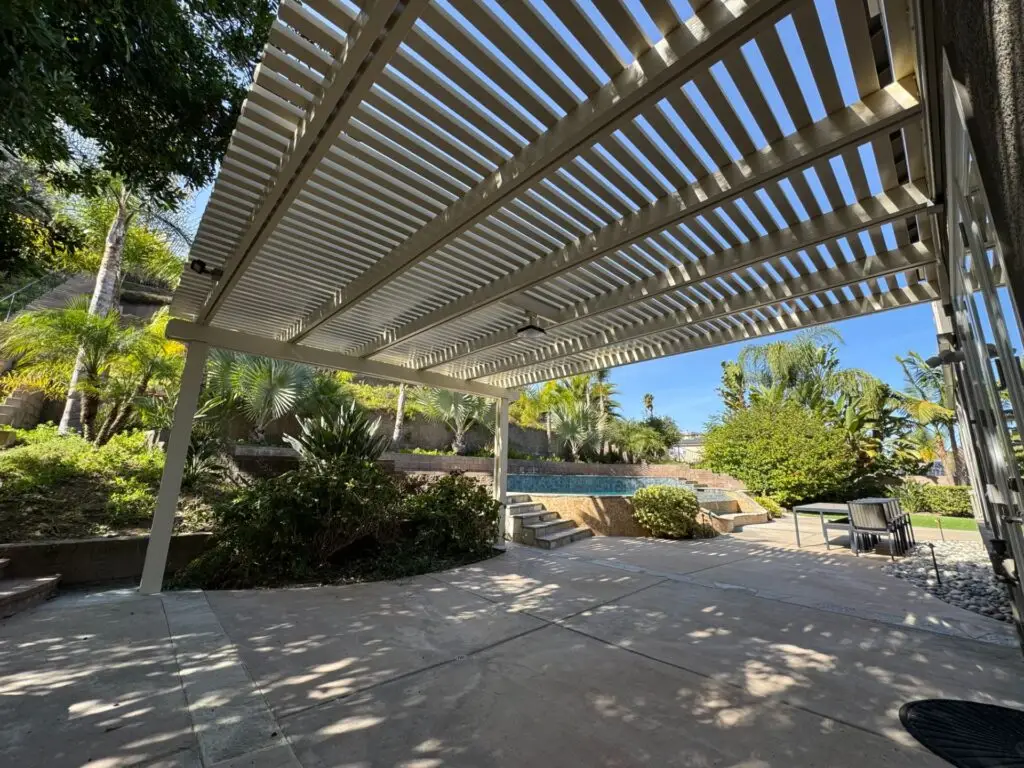
Since louvered pergolas create controlled shade over outdoor living spaces and adjacent windows, they considerably reduce the heat load entering your home during summer months.
You’ll notice your HVAC system runs less frequently when solar radiation can’t penetrate through south and west-facing windows during peak afternoon hours. This reduced cooling demand translates directly into lower electricity bills.
The adjustable louvers let you fine-tune shade coverage throughout the day, blocking intense sun while maintaining airflow.
Your air conditioning won’t work overtime fighting solar heat gain, resulting in reduced wear on equipment and an extended system lifespan, alongside measurable energy cost reductions.
Winter Heat Retention and Natural Light Optimization
While summer benefits focus on blocking heat, winter operation of louvered pergolas shifts toward maximizing solar heat gain and natural light penetration.
You’ll adjust louvers to open positions during daylight hours, allowing low-angle winter sun to stream through windows and warm your interior spaces naturally. This passive solar heating reduces your furnace’s workload and cuts heating costs considerably.
The adjustable louvers let you capture maximum daylight when the sun’s angle is shallow, brightening rooms without artificial lighting.
You’ll notice fewer hours of electric lighting needed, lowering energy consumption. This dual benefit of natural heating and illumination makes louvered pergolas valuable year-round energy-saving investments.
Smart Integration With Home Climate Systems
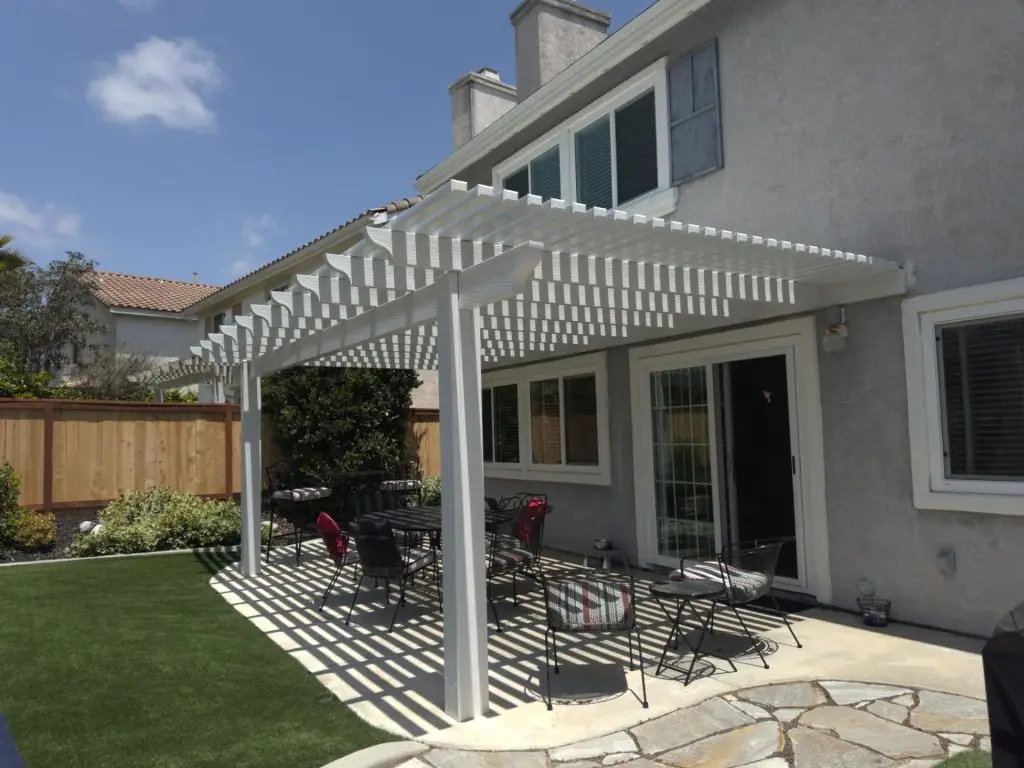
Modern louvered pergolas can integrate seamlessly with your home’s existing climate-control systems via automated sensors and smart-home technology.
You’ll benefit from integrated temperature and humidity sensors that automatically adjust louver positions based on indoor conditions. When your HVAC system detects rising temperatures, the pergola’s smart controls can open louvers to increase airflow and reduce cooling demands.
Similarly, during colder periods, the system closes louvers to minimize heat loss. You can program these connections through your smartphone or existing smart home hub, creating coordinated responses that optimize both comfort and energy efficiency throughout your living spaces.
Long-Term Cost Savings and Return on Investment
Although the initial investment in a smart louvered pergola system might seem substantial, you’ll typically recover these costs within five to eight years through reduced energy bills.
Your annual HVAC savings can range from 15% to 30%, depending on your climate zone and home size.
Beyond energy reduction, you’re also adding significant property value—studies show quality outdoor structures increase home worth by 8-12%.
You’ll save on maintenance costs too, since aluminum pergolas require minimal upkeep compared to traditional shade solutions.
Factor in tax incentives for energy-efficient home improvements, and your actual payback period often shortens to just three to five years.
Enhanced Property Value Through Functional Design
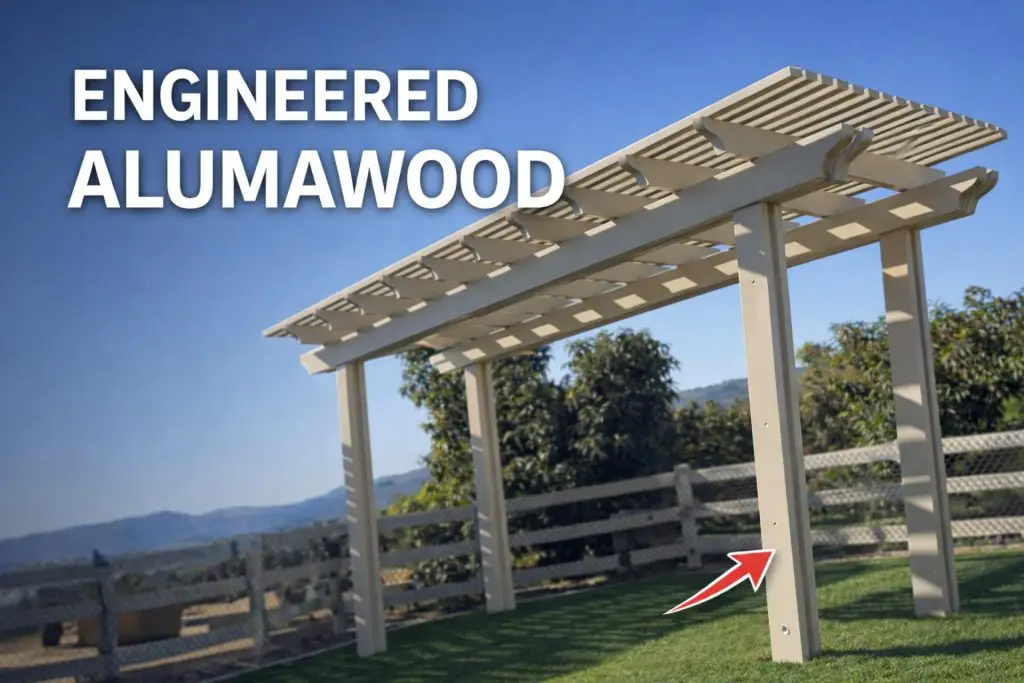
Beyond the financial returns from energy savings, louvered pergolas deliver exceptional aesthetic and functional value that today’s homebuyers actively seek.
You’re creating sophisticated outdoor living spaces that blur the lines between indoor and outdoor environments.
Real estate professionals consistently report that well-designed pergolas increase property values by 10-15%, with modern louvered systems commanding premium interest due to their versatility and weather control capabilities.
You’ll attract buyers who prioritize outdoor entertaining, sustainable living, and architectural innovation.
The combination of energy efficiency, design flexibility, and year-round usability makes your property stand out in competitive markets while delivering measurable returns.
Frequently Asked Questions
What Materials Are Louvered Pergolas Typically Made From?
You’ll find louvered pergolas made from several durable materials.
Aluminum’s the most popular choice because it’s lightweight, rust-resistant, and low-maintenance.
Wood options like cedar, redwood, or treated lumber offer natural beauty but require more upkeep.
Steel provides maximum strength for larger structures, though it needs protective coatings.
Some manufacturers use composite materials that combine wood fibers with synthetic polymers, giving you the appearance of wood with enhanced weather resistance and minimal maintenance.
How Much Maintenance Do Louvered Pergolas Require Annually?
You’ll need minimal annual maintenance for your louvered pergola.
Simply clean the louvers quarterly with mild soap and water, lubricate moving parts twice a year, and inspect the hardware for loose bolts or corrosion.
If you’ve got an aluminum pergola, you’ll spend less time on upkeep than with wood versions.
Most homeowners dedicate just 2-4 hours annually to basic maintenance tasks, making louvered pergolas remarkably low-maintenance outdoor investments.
Can Louvered Pergolas Withstand Extreme Weather Conditions Like Hurricanes?
You’ll need to check your pergola’s specific wind rating, but most quality louvered pergolas can handle moderate storms when properly installed.
However, they’re not designed to withstand hurricane-force winds. You should close the louvers and consider additional reinforcement for severe weather.
If you live in a hurricane-prone area, you’ll want to invest in a heavy-duty model with reinforced aluminum construction and professional installation for maximum durability.
What Permits Are Needed to Install a Louvered Pergola?
You’ll typically need a building permit for louvered pergola installation, especially if it’s attached to your home or exceeds certain height limits.
Requirements vary by location, so check with your local building department first. Some areas also require electrical permits if you’re adding lights or motorized features.
Don’t forget to call 811 before digging for utility line marking. Your contractor should handle most permit applications and guarantee compliance with local codes.
How Long Does Typical Louvered Pergola Installation Take to Complete?
You’ll typically need 1-3 days for a complete louvered pergola installation.
The timeline depends on your structure’s size, complexity, and site conditions. Simple installations often take 1 day, while larger or custom designs require 2-3 days.
You’ll want to factor in weather delays and any concrete work that needs curing time.
Your installer’s experience and crew size also affect completion speed. Most contractors provide specific timelines during your consultation.
Current San Diego County Price Ranges (2026)
Real ranges from our published San Diego County pricing guide for motorized louvered systems.
See the full breakdown on our published pricing page, or get a free quote for your exact project.