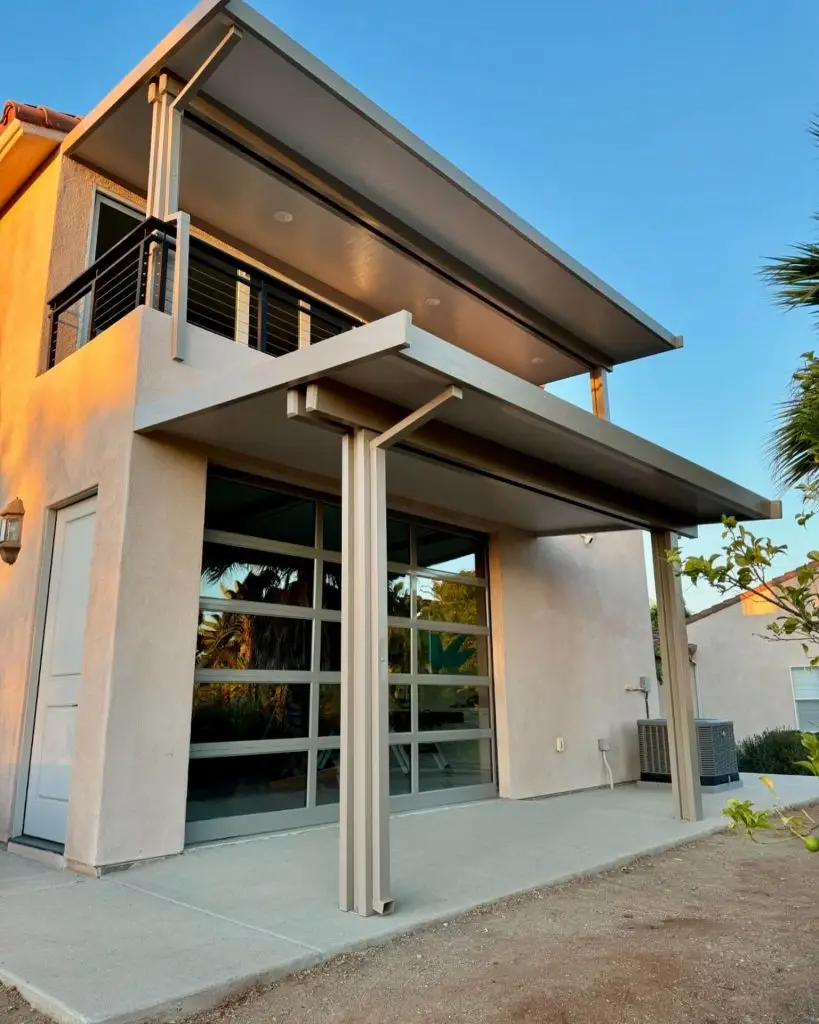
Everything You Need to Know About Adjustable Aluminum Patio Covers
Adjustable aluminum patio covers feature pivoting louvers that you can control manually or with motorized systems to regulate sunlight and airflow perfectly. You’ll enjoy superior weather resistance, low maintenance, and decades of durability compared to wood or vinyl alternatives. These covers offer extensive customization options, including various colors, louver styles, and smart home integration. Professional installation guarantees proper permits and foundation work, while maintenance involves simple monthly cleaning and quarterly inspections. Below, you’ll find complete details on costs, installation requirements, and design possibilities.
Key Takeaways
- Adjustable aluminum patio covers feature pivoting louvers operated by motorized systems, manual cranks, or remote controls to regulate sunlight and airflow.
- Aluminum construction offers superior weather resistance, durability, and low maintenance compared to wood, vinyl, or fabric alternatives.
- Extensive customization options include various colors, louver styles, smart-home integration, and add-ons such as lighting and heating elements.
- Professional installation requires proper permits, site preparation, concrete footings, and precise calibration of mechanical components.
- Maintenance involves monthly cleaning, quarterly inspections, and annual hardware checks, with initial costs ranging from $15-60 per square foot.
How Adjustable Aluminum Patio Covers Work
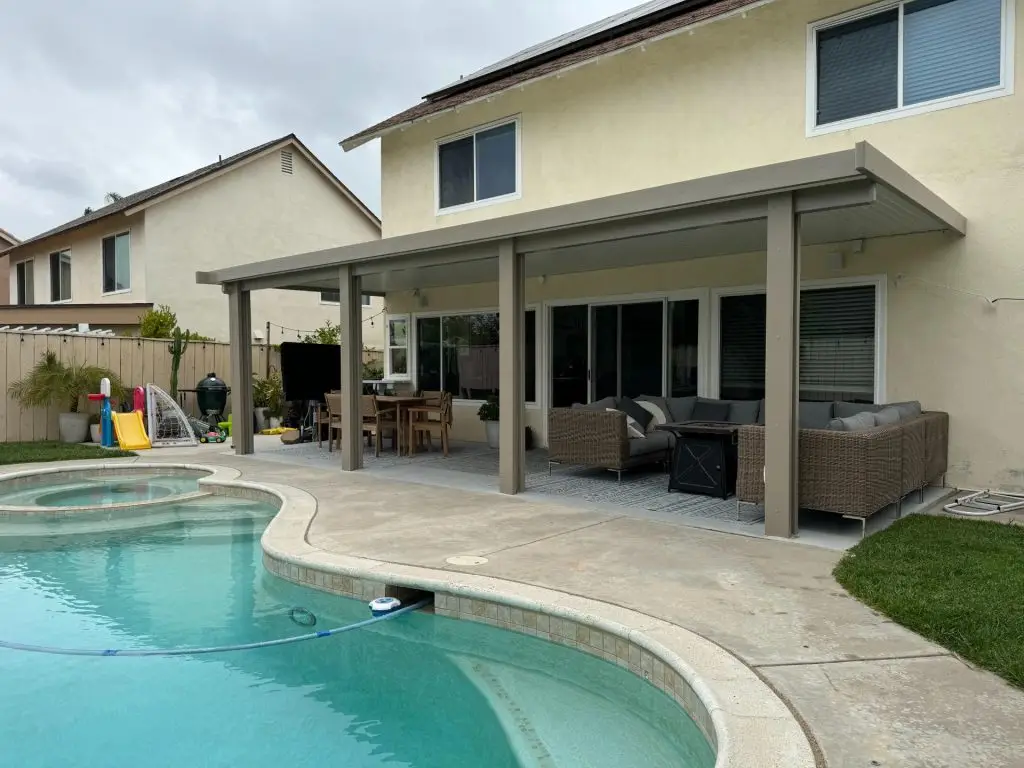
When you operate an adjustable aluminum patio cover, you’re controlling a system of interconnected louvers that pivot along their length to regulate sunlight and airflow.
These louvers connect to a motorized or manual gear mechanism that rotates them simultaneously. You’ll typically find a remote control, wall switch, or hand crank that activates the system.
As louvers rotate, they create varying degrees of openness—from completely closed for full shade to fully open for maximum light penetration.
The aluminum construction guarantees smooth operation and protects against weather damage, and the precise engineering allows you to achieve your desired lighting conditions instantly.
Key Benefits of Aluminum Vs Other Materials
The material you choose for your adjustable patio cover directly impacts its performance, longevity, and maintenance requirements.
Aluminum stands out as the superior choice when compared to wood, vinyl, or fabric alternatives.
Here’s why aluminum excels:
- Weather resistance – Won’t rot, warp, or fade like wood and fabric materials
- Low maintenance – Requires minimal upkeep compared to wood’s regular staining and sealing
- Durability – Outlasts vinyl and fabric by decades without cracking or tearing
- Cost-effectiveness – Lower long-term expenses despite higher initial investment than some alternatives
You’ll enjoy years of reliable performance with aluminum’s proven track record.
Design Options and Customization Features
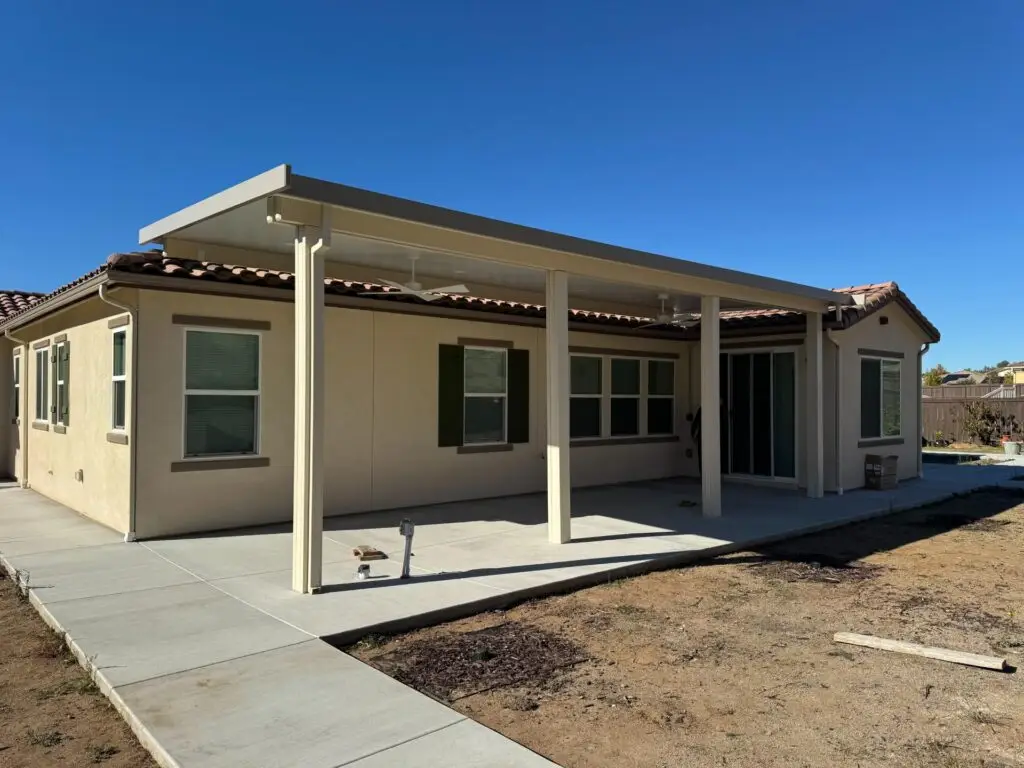
Modern adjustable aluminum patio covers offer extensive customization options to match your home’s architecture and personal style. You can choose from various louver angles, colors, and finishes to complement your existing design aesthetic.
| Design Element | Options Available |
|---|---|
| Colors | White, bronze, beige, and custom RAL colors |
| Louver Styles | Flat, curved, perforated panels |
| Control Systems | Manual crank, motorized, smart home integration |
You’ll also find options for integrated lighting, heating elements, and drainage systems. Many manufacturers offer powder-coated finishes that resist fading and corrosion while maintaining their appearance for years.
Installation Process and Requirements
Before you can enjoy your new adjustable aluminum patio cover, you’ll need to understand the installation requirements and process involved. Most installations require proper permits and professional expertise to guarantee structural integrity and building code compliance.
The typical installation process involves:
- Site preparation – Measuring space and marking anchor points
- Foundation work – Pouring concrete footings or securing mounting brackets
- Frame assembly – Installing support posts and attaching the aluminum framework
- Final adjustments – Calibrating the adjustable mechanisms and testing functionality
Professional installation typically takes one to three days, depending on your patio’s size and complexity requirements.
Maintenance and Care Tips

Once your adjustable aluminum patio cover is properly installed, you’ll want to establish a regular maintenance routine to confirm it operates smoothly and lasts for decades.
Clean the aluminum surface monthly using mild soap and water, avoiding abrasive cleaners that can scratch the finish.
Inspect moving parts quarterly for debris buildup and lubricate hinges with silicone spray.
Check the mounting hardware annually and tighten loose bolts as needed.
Remove leaves and debris from gutters regularly to prevent water damage.
During winter months, check that drainage channels are clear so winter rain drains freely.
Address any dents or damage immediately to prevent further deterioration.
Cost Factors and Return on Investment
When considering adjustable aluminum patio covers, you’ll find initial costs typically range from $15-30 per square foot for basic models, while premium systems with advanced features can reach $40-60 per square foot installed.
Several factors influence your total investment:
- Size and complexity of your patio layout
- Material quality and thickness specifications
- Automation features like motorized controls
- Professional installation versus DIY approach
You’ll typically recoup 60-80% of costs through increased property value.
Energy savings from reduced cooling costs can offset expenses over 10-15 years, making adjustable covers a smart long-term investment.
Frequently Asked Questions
Are Permits Required for Installing Adjustable Aluminum Patio Covers?
You’ll likely need permits for installing adjustable aluminum patio covers, but requirements vary by location.
Most municipalities require permits for permanent structures attached to your home, especially if they’re over a certain size or height. You should check with your local building department before starting installation.
Some areas may exempt smaller, non-permanent covers, but it’s better to verify requirements upfront than face potential fines or removal orders later.
How Do Adjustable Aluminum Patio Covers Perform in Extreme Weather Conditions?
You’ll find that adjustable aluminum patio covers perform exceptionally well in extreme weather.
They’re engineered to withstand high winds, heavy snow loads, and intense UV radiation without warping or cracking.
The aluminum construction won’t rust or corrode in harsh conditions, while the adjustable louvers let you control airflow during storms.
You can close them completely for maximum protection or open them partially to reduce wind resistance and prevent structural stress.
Can Adjustable Aluminum Patio Covers Be Moved to a Different Location?
You can’t easily move adjustable aluminum patio covers to different locations once they’re installed.
These structures are permanently attached to your home’s exterior wall and anchored into concrete footings or your patio foundation.
While the louvers adjust for light and weather control, the entire framework stays fixed in place.
If you need coverage elsewhere, you’d need to install a separate unit rather than relocating your existing cover.
What Warranty Coverage Is Typically Provided With Adjustable Aluminum Patio Covers?
You’ll typically receive a 10-20-year warranty on the aluminum frame and structure, with shorter coverage for moving parts like motors and mechanisms.
Most manufacturers offer 1-5 years of coverage for electrical components and hardware.
You’re covered against defects in materials and workmanship, but normal wear, weather damage, and improper installation aren’t included.
Always read your specific warranty terms since coverage varies considerably between manufacturers and can affect your long-term investment protection.
Do Adjustable Aluminum Patio Covers Affect Home Insurance Rates or Coverage?
Adjustable aluminum patio covers typically don’t increase your home insurance rates since they’re considered low-risk improvements.
However, you should notify your insurance provider about the installation to ensure you have proper coverage for the new structure.
The addition might slightly increase your dwelling coverage amount to reflect your home’s increased value, but this usually results in minimal premium changes.
Always check with your insurer before installation to understand any potential coverage implications.
Current San Diego County Price Ranges (2026)
Real ranges from our published San Diego County pricing guide. Final cost depends on size, materials, and structural requirements.
See the full breakdown on our published pricing page, or get a free quote for your exact project.